A flat roof is easy to forget about. You cannot see it from the ground, it is not leaking today, and there is always something more urgent to spend money on. Then one wet week it is leaking, the leak has been getting in for months, and what would have been a small repair is now insulation, drywall, and a headache. A roof inspection is the cheap habit that keeps you off that path. Here is what a real one covers, how often you need it, and when a quick look is enough versus when you want it in writing.
What we are actually looking at
A good inspection is not a glance across the field of the roof. It is a slow walk over the details, because that is where flat roofs fail. Here is the checklist we work through.
Drainage and ponding
Water is the enemy, and standing water is the worst version of it. We look at how the roof drains, whether the drains and scuppers are clear, and where water sits after a storm. A low spot that holds water for a day or two after every rain is a spot that ages faster than the rest of the roof.
Seams, flashings, and penetrations
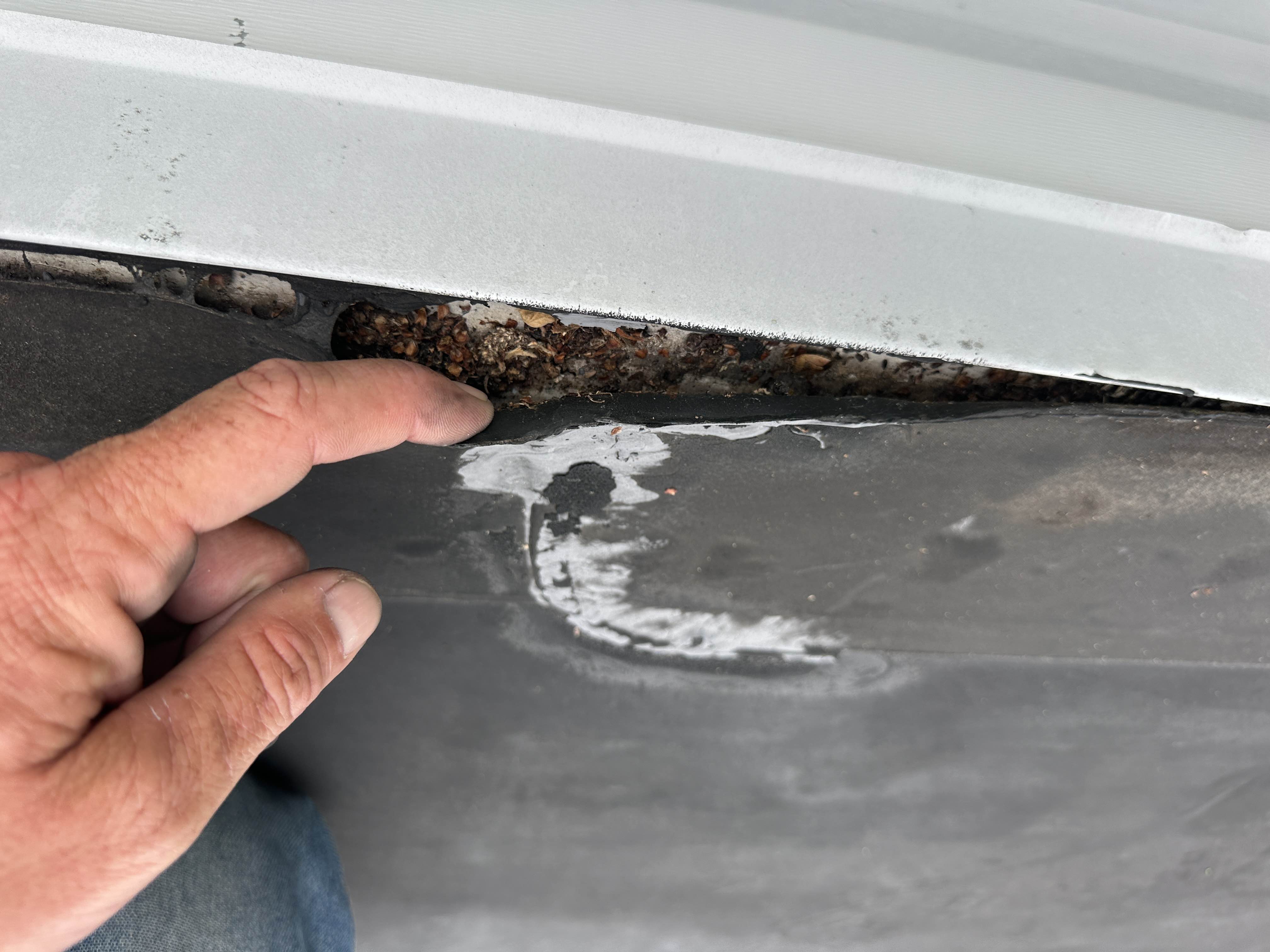
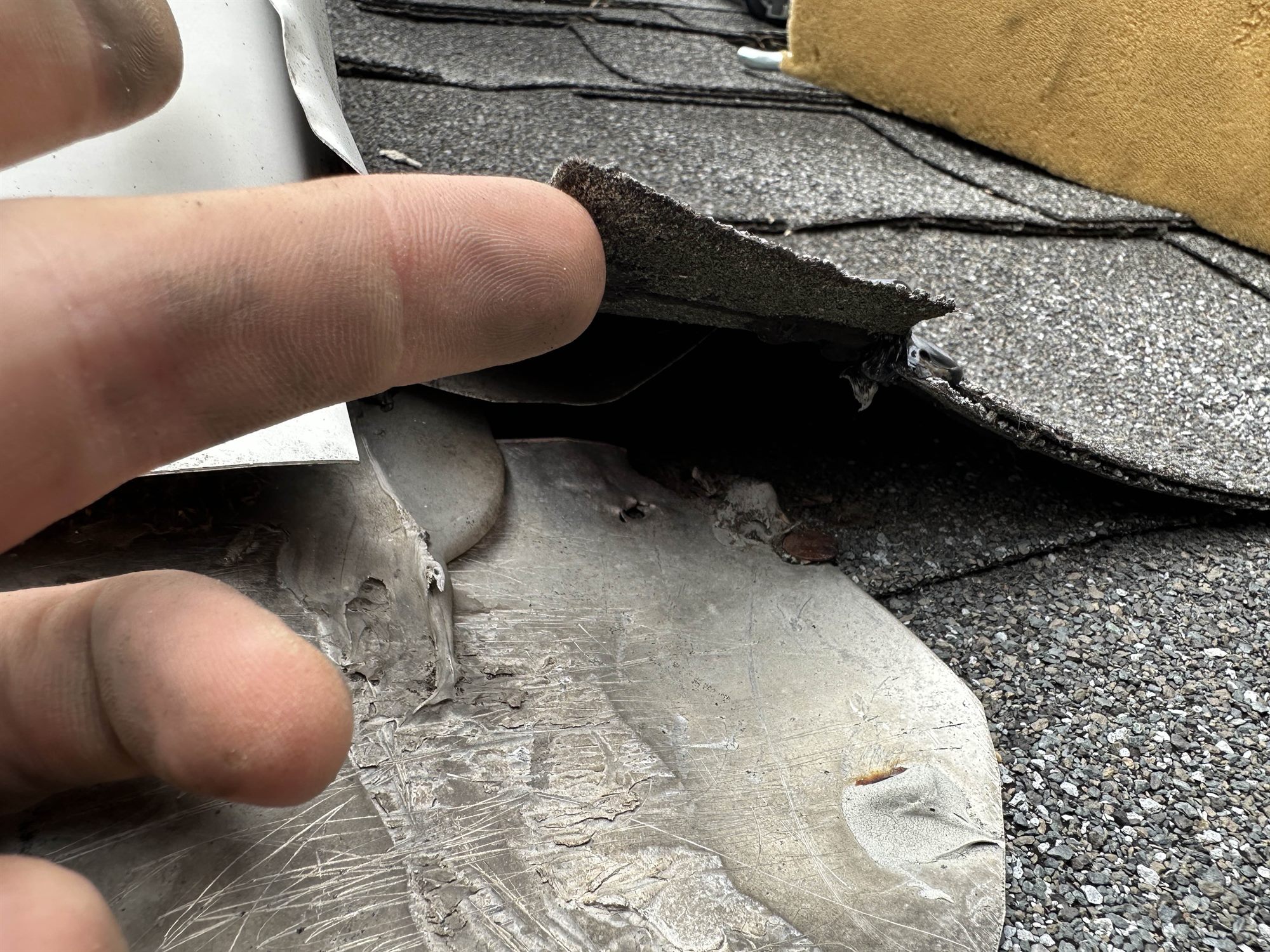
This is the heart of it. Most leaks do not come from the open middle of a roof. They come from the joints: where two sheets seam together, where the roof meets a wall or parapet, and around every pipe, vent, and curb. We check each one for lifting, splitting, and old repairs that are giving up. If you want the deeper version of why these fail first, our post on the signs a flat roof is a coating candidate walks through it.
The membrane itself
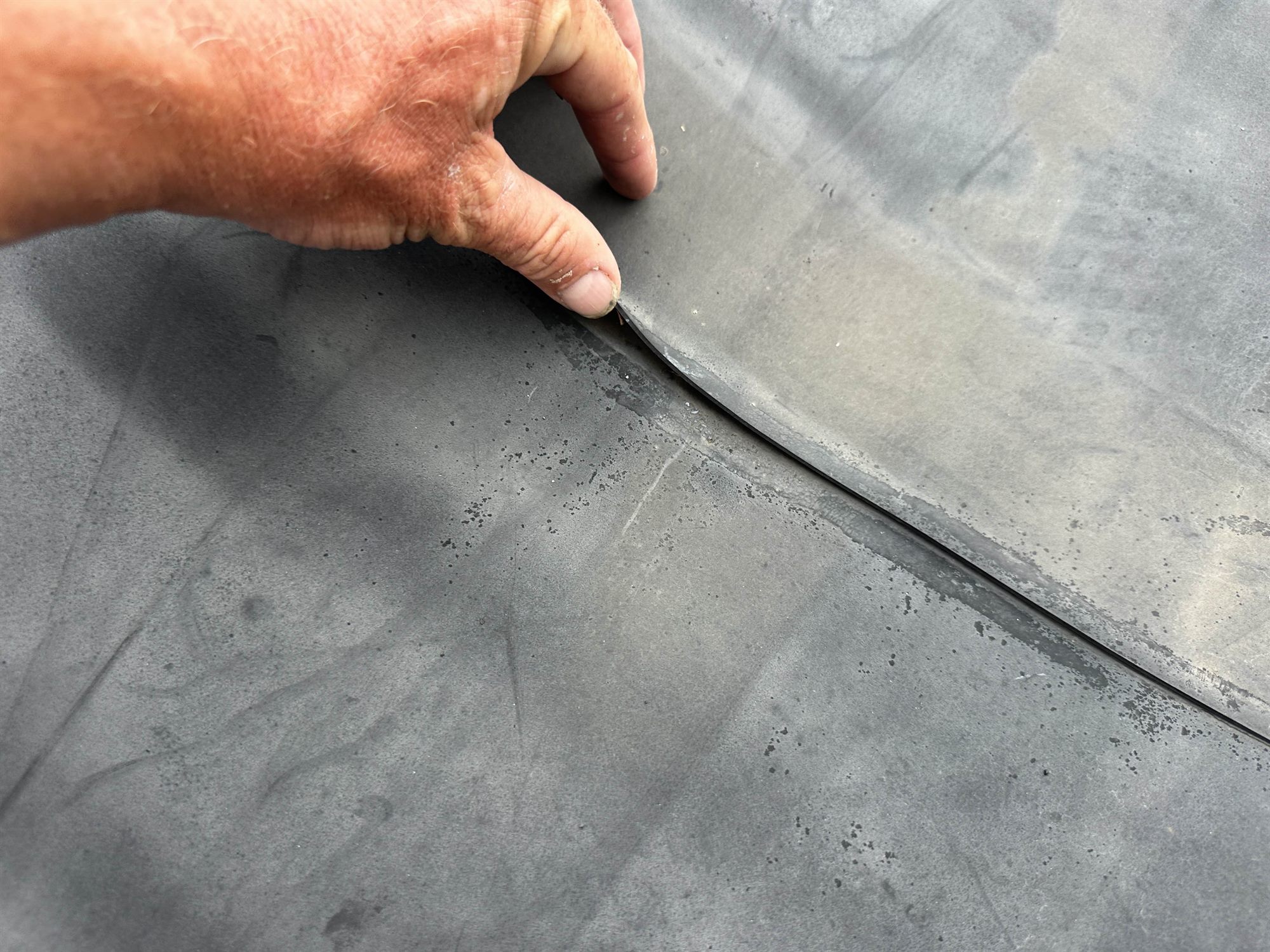
What the surface is telling us depends on the roof type. On EPDM rubber we look for chalking and shrinkage that pulls at the seams. On TPO we look for brittleness. On modified bitumen we look for granule loss and drying. On a coated roof we look at how the coating is wearing and how thick it still is. Each of these has a normal aging pattern and a point where it is asking for attention.
The deck underneath
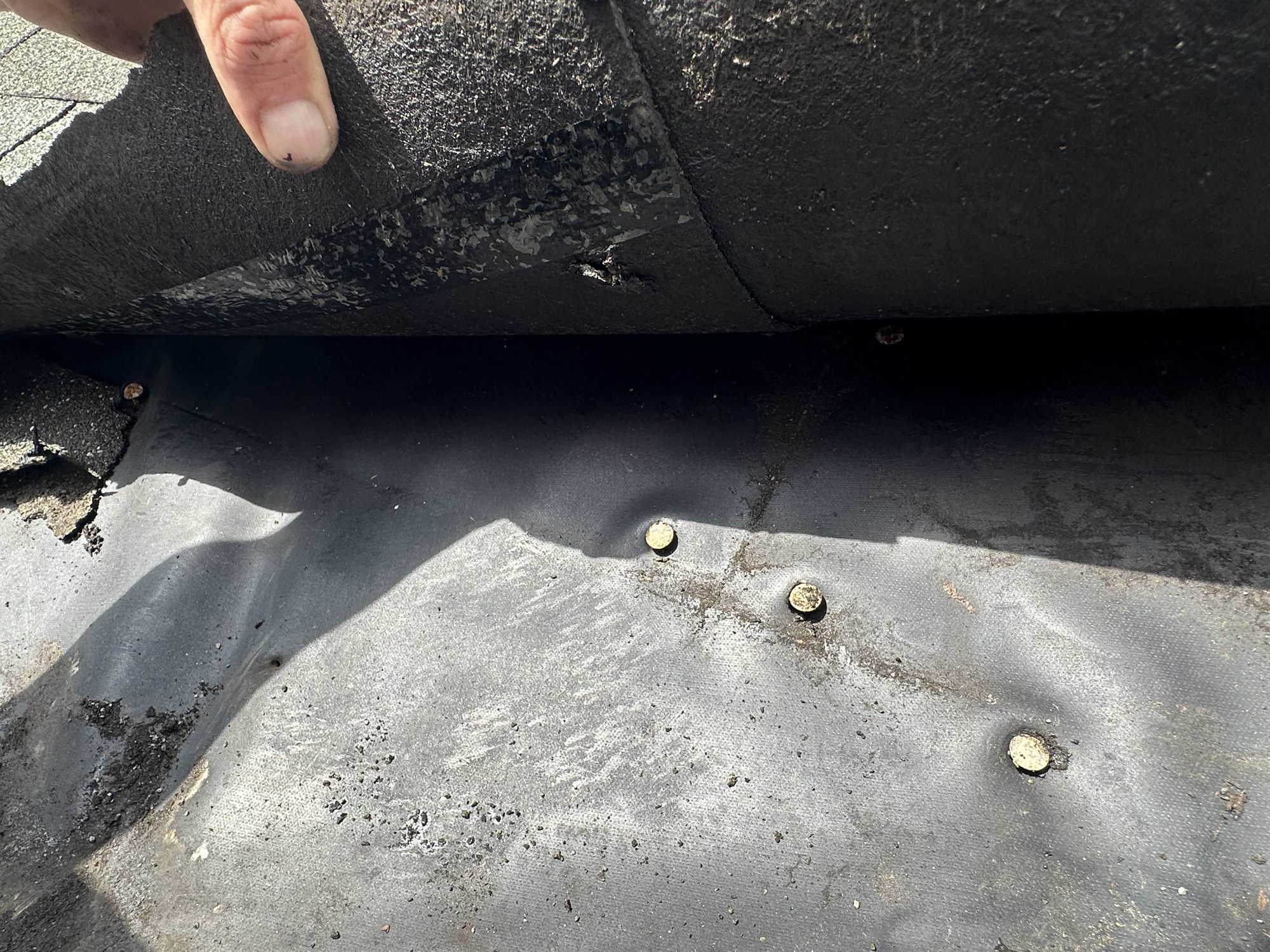
We walk the roof feeling for soft, spongy areas. A firm deck means the structure is sound and the problem, if there is one, is on the surface. Sponginess underfoot means moisture has gotten into the insulation or the deck, which is a different and bigger conversation.
The interior
Where we can see them, water stains and drips inside tell us where a leak is actually landing, which helps trace it back to its real source on the roof. A stain on the ceiling is rarely directly under the hole that caused it.
How often should you inspect a flat roof?
Twice a year is the standard, and the timing matters. Inspect in the spring, after winter's freeze and thaw has had all season to work at the seams and flashings. Inspect again in the fall, before that cycle starts over, so you go into winter tight. On top of that, look after any major storm, and any time another trade has been working up there, because a satellite installer or an HVAC tech in the wrong boots can undo a good detail without meaning to.
Keeping that schedule by yourself is hard, which is exactly why we fold it into a roof maintenance plan. The inspections happen on time, the small fixes get made, and nothing waits until it is a leak.
Free look or documented report?
Not every inspection needs to be the same thing. For most owners, a free on-site assessment is all it takes: one of us gets on the roof, photographs the details, and tells you straight what shape it is in and what, if anything, it needs. No charge, no pressure.
A written report is worth paying for when you need the documentation in someone else's hands. Buying or selling a building is the big one, so the number is based on the roof's real condition and not a guess. Insurance is another, whether you are answering a renewal question or supporting a claim. And capital planning is a third, when the finance side wants a written condition assessment and a timeline they can budget against. A documented report gives you photos, findings, remaining service life, and clear recommendations, in a form that holds up when someone else reads it.
The honest part
The reason to inspect is not to talk you into work. Half the time the answer is that the roof is fine and see you in six months. The other half, we catch something small enough that a few hours of repair saves you a tear-off down the road. Either way you come out ahead, because the one thing that never helps is not knowing.
If you have not had eyes on your flat roof in a while, that is reason enough to book a look. We will walk it, show you what we find, and tell you the truth about it.